LEED and BREEAM documentation for external shading.
How external shading supports LEED and BREEAM evidence with energy modelling, glare control, daylight comfort, material records and project-specific documentation.
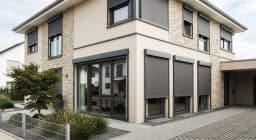
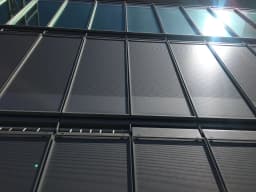
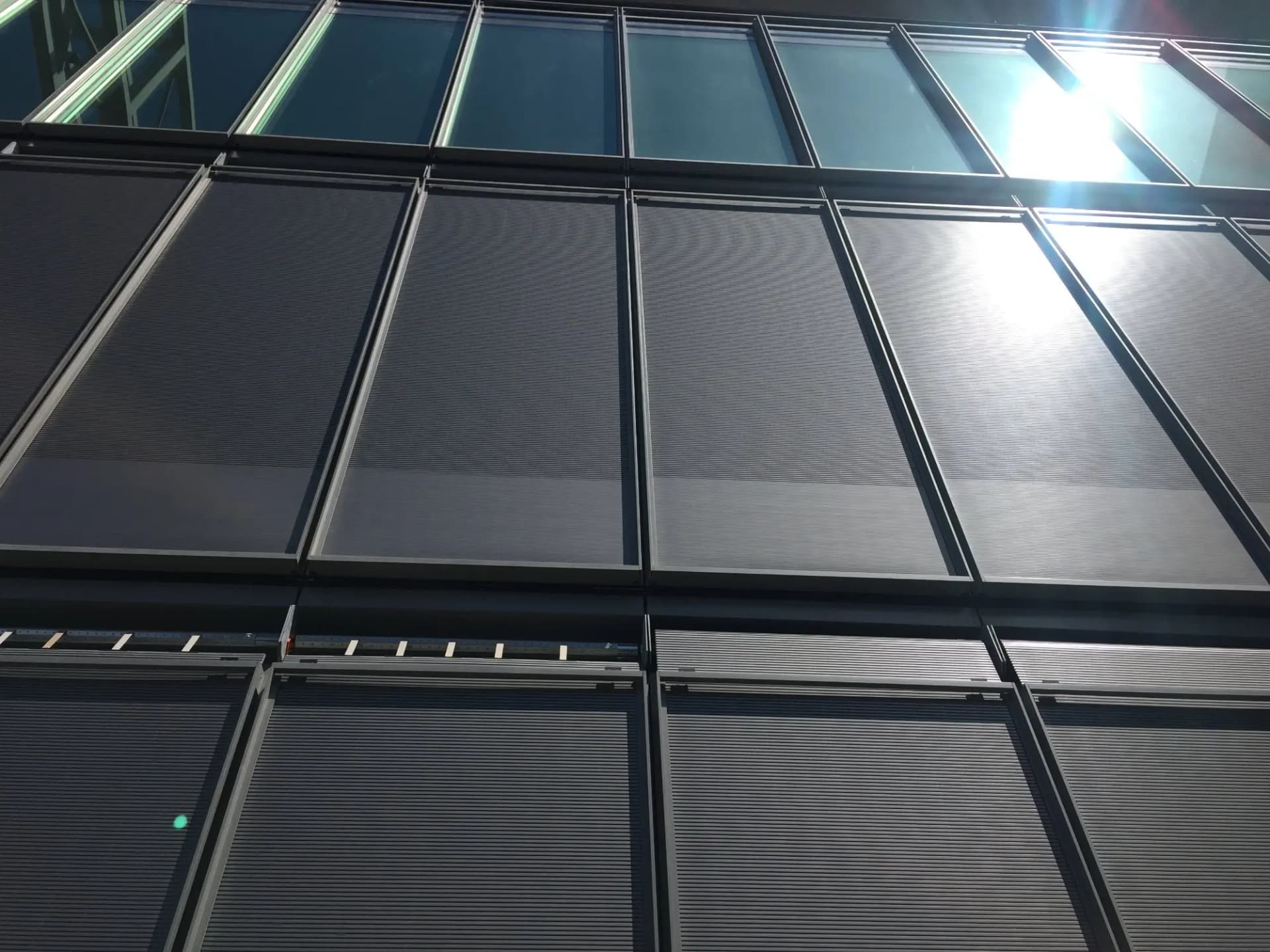
Where external shading helps\n\nExternal shading can support LEED and BREEAM documentation when the project model proves lower cooling demand, better glare control or improved daylight comfort. The useful evidence is not a generic product claim; it is a project file that connects facade orientation, glazing, shading geometry and operating mode.\n\n## Documentation route\n\nPONARC shading systems can be referenced in energy, daylight and material sections with product data, aluminium material notes, finish references and geometry assumptions. The design team still validates credits inside the chosen certification scheme.\n\n## Specification checklist\n\n- Facade orientation and glazing g-value\n- Shading type: pergola, brise soleil, zip screen or louvre roof\n- Fixed or adjustable operating mode\n- Energy model input assumptions\n- Material and surface-treatment records\n\n## Short specification answer\n\nFor LEED or BREEAM projects, PONARC is useful as an external shading specification route: the products can provide geometry, material and control data for the project model, while credit approval remains with the assessor and the project evidence.
PONARC project note
For LEED and BREEAM documentation for external shading, the useful specification route is to connect the idea to the real opening, substrate, exposure and intended use. PONARC treats the page as a decision aid: which system family fits, what must be checked, and which assumptions should stay project-specific rather than generic.
Next step
Send the relevant dimensions, photos of the installation area, location context, preferred finish and use case. PONARC can then map the request to the correct product family, technical checks and quotation path without adding unsupported performance claims.
PONARC PROJECT NOTE
How to use this article in a real specification
Treat the article as a planning filter, then confirm dimensions, exposure, fixing surface, operation route and documentation needs with the PONARC team before final quotation.
- Shortlist the matching product family
- Check site assumptions before comparing prices
- Send a brief or drawings for project review
Interested in PONARC products?