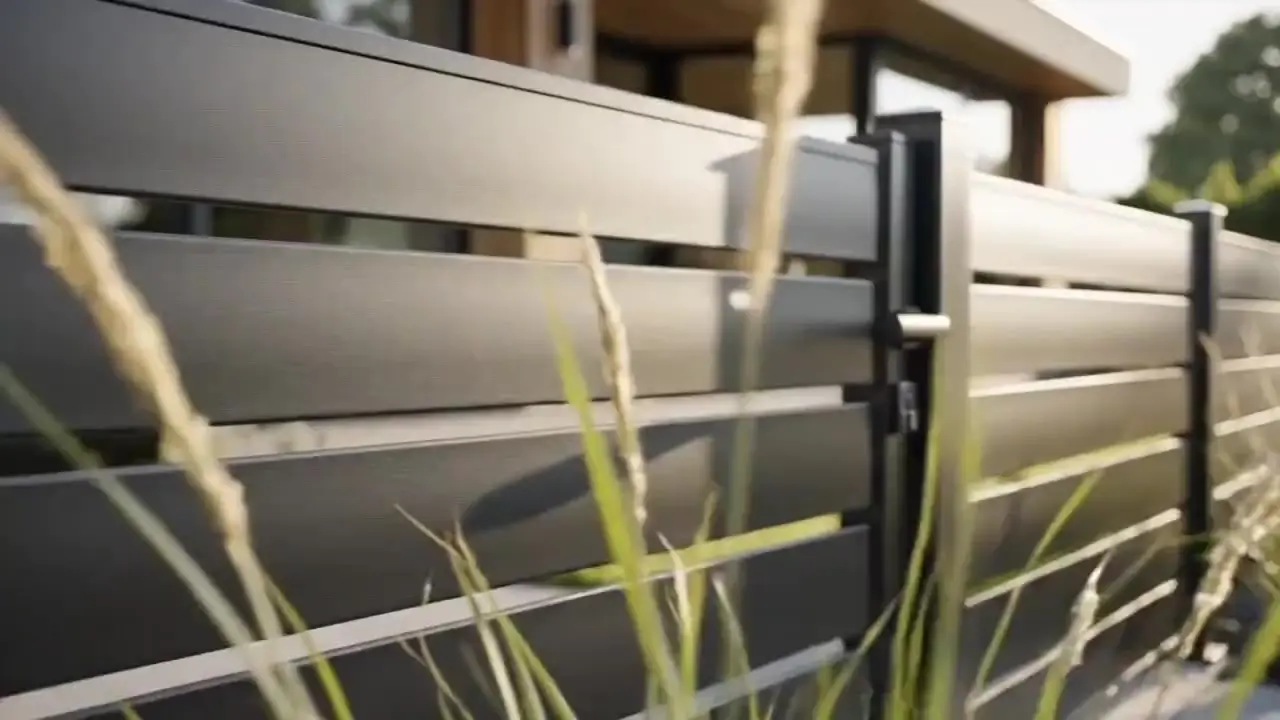
Aluminium Outdoor Systems: Maintenance and Lifecycle Guide for Buyers.
A practical owner-focused guide to service life, cleaning, inspection intervals and replaceable components for aluminium pergolas, glass railings, ZIP screens, carports and fence systems.
A well-specified aluminium outdoor system should not be sold as "maintenance free". The honest promise is better: the primary aluminium frame is designed for long service life, while coatings, fabrics, motors, gaskets and exposed fixings are inspected and serviced on a planned schedule.
This buyer guide translates the professional service-life planning reference into practical ownership language for PONARC aluminium systems: pergolas, ZIP screens, glass railings, carports and fence systems.
The short version
If the system is cleaned, drained and inspected, the aluminium structure can remain useful for decades. The parts that age fastest are not usually the aluminium profiles; they are the components exposed to movement, UV, salt, moisture or electrical load.
Plan for:
- annual visual inspection; - five-year fastener, drainage and motor review; - ten-year documented condition review; - replacement of wear components when needed, without replacing the primary frame.
What lasts longest?
The long-life element is the aluminium frame: posts, beams, rails, cassette housings and structural profiles. It performs best when the surface treatment matches the exposure class and drainage is kept clear.
The shorter-life elements are different by product family:
| Product family | Long-life elements | Replaceable wear elements | |---|---|---| | Pergolas | aluminium posts, beams, louvres | motors, sensors, gaskets, drainage seals | | ZIP screens | cassette, side channels | fabric, motor, zipper edge, bottom bar seals | | Glass railings | aluminium shoe/profile, laminated glass | gaskets, caps, fixings, drainage details | | Carports | aluminium structure, roof frame | seals, drainage parts, optional PV/electrical parts | | Fence systems | posts, frames, aluminium infill | hinges, locks, motors, lighting drivers, WPC or glass infill where used |
Exposure class changes the maintenance plan
An inland terrace and a coastal property boundary are not the same environment. Salt air, chlorinated pool zones, dense urban pollution and shaded damp areas accelerate coating stress and fastener corrosion.
Before choosing a colour or finish, classify the exposure. Inland residential projects can usually follow a normal cleaning interval. Coastal, poolside and hospitality projects should use tighter cleaning and inspection schedules and may need upgraded surface preparation.
For coating background, read the Qualicoat Class 2 guide and the coastal coating guide. For material context, see EN AW 6060 vs 6063 aluminium alloy.
Annual owner checklist
Once per year, ideally before the main outdoor season:
- rinse aluminium profiles with clean water and mild pH-neutral cleaner; - remove leaves and dirt from drainage channels; - check visible coating scratches and stone chips; - inspect gasket compression and glass edge condition; - run motors through a full open/close cycle; - check that ZIP screen fabric tracks evenly in the guides; - confirm gates, hinges and locks move without binding.
Do not use abrasive pads, aggressive solvents or pressure washers aimed directly into seals and motor housings.
Five-year technical review
Every five years, a dealer or installer should check the items that owners cannot reliably judge:
- accessible fastener condition; - drainage path and hidden dirt build-up; - pergola louvre alignment and motor stop points; - ZIP screen fabric tension and zipper-edge wear; - gate automation, emergency release and safety edges; - glass railing caps, gaskets and water path around the base shoe.
This is also the right moment to review whether the site exposure has changed. New trees, buildings, pool equipment, traffic or coastal salt exposure can change the maintenance profile.
Ten-year condition record
At ten years, the owner should have a written condition record. This is useful for asset planning, property resale, hospitality insurance files and future upgrade decisions.
The record should separate:
- the primary aluminium structure; - coatings and visible finish; - moving parts; - electrical components; - glazing, fabric or infill; - drainage and seal condition.
That separation prevents one damaged motor, one worn fabric or one scratched panel from being mistaken for system failure.
Product-specific notes
For pergolas such as Luxa Sereno 700, keep drainage channels clear and inspect louvre movement before winter. For manual systems such as Luxa Sereno 500M, check crank operation and mechanical resistance.
For ZIP screens, fabric tracking is the priority. If the cloth pulls unevenly, stop using the screen and check guides before the zip edge is damaged.
For glass railings, keep the base area clean and avoid chemical cleaners that can attack seals. For German or DACH projects, the DIN 18008 glass railing article explains why glass category and load documentation matter.
For carports, inspect roof drainage and column outlets after storms. For fence systems, focus on hinge alignment, gate motors, locks and exposed fixings.
Sustainability and end of life
Aluminium's recycling value is strongest when the system can be dismantled cleanly. Mechanically fixed profiles, separable glass, removable textiles and accessible electrical components make future repair and recycling easier.
That is why a good lifecycle plan is not only about cleaning. It is also about choosing systems that can be serviced without replacing the whole structure.
Conclusion
The best buyer expectation is simple: aluminium outdoor systems are long-life assets, not disposable garden accessories. Keep the frame clean, keep drainage open, inspect moving parts and treat fabrics, motors, gaskets and exposed fixings as service components. That is how a pergola, railing, carport, screen or fence stays valuable beyond the first season.
PONARC project note
For Aluminium Outdoor Systems: Maintenance and Lifecycle Guide for Buyers, the useful specification route is to connect the idea to the real opening, substrate, exposure and intended use. PONARC treats the page as a decision aid: which system family fits, what must be checked, and which assumptions should stay project-specific rather than generic.
Next step
Send the relevant dimensions, photos of the installation area, location context, preferred finish and use case. PONARC can then map the request to the correct product family, technical checks and quotation path without adding unsupported performance claims.
PONARC PROJECT NOTE
How to use this article in a real specification
Treat the article as a planning filter, then confirm dimensions, exposure, fixing surface, operation route and documentation needs with the PONARC team before final quotation.
- Shortlist the matching product family
- Check site assumptions before comparing prices
- Send a brief or drawings for project review
Interested in PONARC products?