Suitable projects
Match the product to the use case first, then compare alternatives only when the project constraints are known.
- Clear use case
- Known dimensions
- Known exposure and installation context
 VISIOMOD
Aluminium Balcony Railings
Formerly known as Stainless Steel Cable Deck Railing
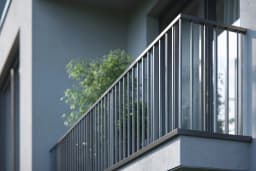
SSC-DRStainless steel cable deck railing with aluminium posts — horizontal cables create a transparent barrier with nautical elegance. Ideal for balconies, decks and pool areas. Any RAL colour for posts.
Tensioned Stainless Cable, Open Views
The VisioMod Cable Deck railing uses horizontally tensioned stainless steel cables (3.2mm / 1×19 construction) as infill between aluminium posts. Cables are spaced at 75–100mm intervals and tensioned to 300–450N using turnbuckle fittings at one end. The 40×40mm aluminium posts with internal cable routing conceal all tensioning hardware for a clean exterior. The system provides maximum visual openness while meeting EN 1991-1-1 residential barrier requirements. Suitable for decks, terraces, staircases, and waterfront installations. Posts are powder-coated in any RAL colour; cables are 316L stainless steel for corrosion resistance.
Use this product when its technical role, installation route and project assumptions are clear enough to move from browsing to quotation.
Match the product to the use case first, then compare alternatives only when the project constraints are known.
Confirm dimensions, fixing conditions, finish requirements, operation method and any local approval expectations.
Use PONARC as the system layer: connect product choice to brand, technical review and quote route.
Use these answers when comparing cable railing against glass, aluminium bar and privacy-panel routes.
Cable deck railing fits terraces, decks and balcony edges where the project wants slim horizontal lines and a lighter visual barrier than panel or slat systems.
Compare balcony options →Glass is often better when the project needs a cleaner transparent windbreak effect or uninterrupted view line. Cable railing is more about lightness and horizontal rhythm.
Compare glass railings →Confirm post spacing, cable run length, corner conditions, corrosion environment, fixing surface, maintenance expectation and local guardrail documentation needs.
Review cable railing →TECHNOLOGY & DETAILS3.2mm cables are nearly invisible at distance — preserving views of landscape, water, or cityscape.
Marine-grade stainless steel withstands salt spray, pool chemicals, and coastal environments.
Turnbuckle fittings hidden inside the aluminium posts — no visible hardware on the cable lines.
Cable fittings lock under tension and do not loosen over time — minimal maintenance required.
TECHNICAL SPECIFICATIONSFREQUENTLY ASKED QUESTIONSInitial settling may require one adjustment after 6–12 months. After that, the self-locking fittings maintain tension indefinitely.
Yes, when cable spacing is 75mm or less (maximum gap for child safety per most European codes). The system meets EN 1991-1-1 residential loads.
Up to 1500mm for residential applications. Longer spans require intermediate posts or higher cable tension.